- English
- Español
- Português
- русский
- Français
- 日本語
- Deutsch
- tiếng Việt
- Italiano
- Nederlands
- ภาษาไทย
- Polski
- 한국어
- Svenska
- magyar
- Malay
- বাংলা ভাষার
- Dansk
- Suomi
- हिन्दी
- Pilipino
- Türkçe
- Gaeilge
- العربية
- Indonesia
- Norsk
- تمل
- český
- ελληνικά
- український
- Javanese
- فارسی
- தமிழ்
- తెలుగు
- नेपाली
- Burmese
- български
- ລາວ
- Latine
- Қазақша
- Euskal
- Azərbaycan
- Slovenský jazyk
- Македонски
- Lietuvos
- Eesti Keel
- Română
- Slovenski
- मराठी
- Srpski језик

What Makes 3D Panel a Smarter Choice for Modern Interior Walls?
Article Summary
Many homeowners, designers, contractors, and commercial project buyers want walls that look refined without creating a long, messy, and expensive renovation process. A 3D Panel offers a practical answer because it adds depth, texture, and visual movement to flat surfaces while helping reduce the pressure of traditional wall decoration methods. This article explains how 3D wall panels solve common interior design pain points, what buyers should evaluate before purchasing, where they work best, and how a reliable supplier such as Haining Xinhuang Decoration Material Co ,Ltd. can support decorative wall projects with material-focused solutions.
Table of Contents
- Article Outline
- Why Are Buyers Paying More Attention to 3D Panel?
- What Wall Decoration Problems Can 3D Panel Help Solve?
- Where Can 3D Panel Be Used Effectively?
- How Does 3D Panel Compare With Traditional Wall Finishes?
- What Should Buyers Check Before Choosing 3D Panel?
- How Can Better Planning Improve Installation Results?
- Why Is Maintenance Easier With the Right 3D Panel?
- How Can the Right Supplier Reduce Project Risk?
- FAQ About 3D Panel
- Conclusion
Article Outline
- Introduce the growing demand for textured decorative wall materials.
- Explain the main pain points of ordinary wall decoration, including flat appearance, high labor cost, slow renovation, and difficult maintenance.
- Analyze how 3D Panel improves visual depth, project efficiency, and design flexibility.
- Compare 3D wall panels with paint, wallpaper, stone, and wood veneer.
- Provide practical purchasing guidance for residential, retail, hotel, office, and commercial decoration projects.
- Answer common buyer questions about installation, durability, cleaning, design selection, and supplier choice.
Why Are Buyers Paying More Attention to 3D Panel?
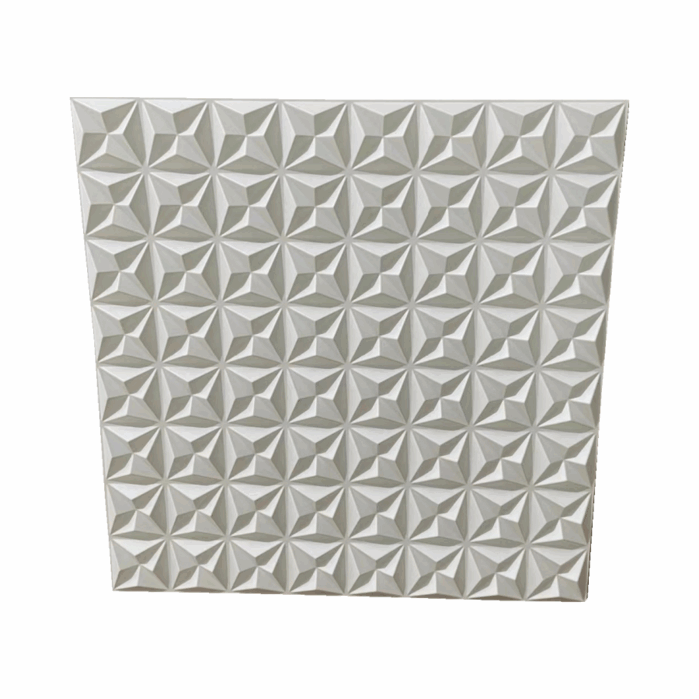
Interior walls are no longer treated as plain background surfaces. In modern residential and commercial spaces, walls often carry the first impression of a room. A flat painted wall may be clean, but it can also feel cold or unfinished when the space needs personality. That is one reason why 3D Panel has become a popular choice for buyers who want a stronger decorative effect without relying on heavy stone, complex carpentry, or repeated repainting.
A 3D Panel creates raised or recessed patterns on the wall surface. These patterns catch light differently throughout the day, giving the room more dimension. For designers, this means a wall can become a visual feature without needing excessive furniture or accessories. For contractors, it means a decorative finish can be completed more efficiently when compared with complicated custom wall treatments. For property owners, it means the space can look more finished and marketable with a relatively direct upgrade.
The demand is especially strong in spaces where appearance matters to visitors, clients, or customers. Reception areas, hotel corridors, restaurants, showrooms, retail walls, living rooms, TV backgrounds, and office feature walls all need surfaces that feel intentional. In these environments, ordinary wall paint often does not create enough impact, while natural stone or solid wood may be too costly or difficult to install. A well-selected 3D Panel offers a balanced option between design value and practical use.
What Wall Decoration Problems Can 3D Panel Help Solve?
Buyers rarely choose wall materials only because they look attractive in a photo. Most purchasing decisions begin with a problem. The wall may look empty. The renovation budget may be tight. The project deadline may be short. The owner may want a premium visual effect but worry about difficult maintenance. These are exactly the areas where a 3D Panel can bring practical value.
- Plain walls lack character. A flat surface can make a room feel unfinished, especially in commercial spaces where brand image and atmosphere matter.
- Traditional decorative materials can be expensive. Stone, carved wood, and customized wall systems often require higher material and labor costs.
- Renovation time can delay business use. Hotels, shops, offices, and restaurants often need faster installation to reduce downtime.
- Maintenance can become a long-term burden. Some wall finishes stain easily, peel over time, or require careful repair after damage.
- Design consistency is hard to control. Large projects need stable pattern, color, and surface quality across multiple areas.
A quality 3D Panel helps address these concerns by combining decorative texture with manageable installation and daily care. It gives walls a layered look while keeping the design process more controllable. Instead of building a complicated feature wall from several materials, buyers can select a panel pattern that already carries the main decorative effect.
For project buyers, the real value is not only the surface pattern. It is the ability to create a more attractive space while controlling cost, time, labor, and maintenance pressure.
Where Can 3D Panel Be Used Effectively?
One advantage of 3D Panel is its wide range of applications. It can be used as a full wall treatment or as a selected accent area. The best effect usually comes from matching the panel design with the function of the space. A hotel may prefer elegant and rhythmic textures. A retail store may want a bold pattern that supports product display. A home living room may need a softer texture that adds warmth without overwhelming the furniture.
| Application Area | Main Buyer Pain Point | How 3D Panel Helps |
|---|---|---|
| Living Room Feature Wall | The room feels plain and lacks a visual center. | Creates depth behind the TV, sofa, or display cabinet without relying on heavy decoration. |
| Hotel Lobby and Corridor | Large wall areas need a consistent and premium appearance. | Provides repeatable texture and a more refined atmosphere for guest-facing spaces. |
| Retail Store | The wall must support brand image and product presentation. | Adds a stylish background that can make displays appear more attractive. |
| Office Reception Area | The first impression needs to look professional and modern. | Turns a simple wall into a structured design element with stronger visual order. |
| Restaurant or Café | The space needs atmosphere but must avoid overly complicated renovation. | Improves wall texture and customer experience with a decorative surface solution. |
| Apartment Renovation | Owners need a fast upgrade with a controlled budget. | Refreshes old walls and adds design value without rebuilding the entire space. |
The key is not to use texture everywhere. Too much visual movement can make a room feel crowded. A thoughtful layout often works better: one feature wall, one entrance area, one background surface, or one commercial display zone. This focused use allows the 3D Panel to become a design highlight rather than visual noise.
How Does 3D Panel Compare With Traditional Wall Finishes?
Buyers often compare 3D Panel with paint, wallpaper, stone, wood veneer, and gypsum decoration. Each material has its own place, but the final decision should depend on budget, design goal, installation condition, and long-term maintenance. A simple comparison can make the choice clearer.
| Wall Finish | Strengths | Limitations | Best Use Scenario |
|---|---|---|---|
| Paint | Simple, affordable, easy to refresh. | Flat visual effect, stains may show, limited texture. | Basic walls and budget-sensitive projects. |
| Wallpaper | Many colors and printed patterns. | May peel in humid conditions and can be damaged by scratches. | Bedrooms, low-contact areas, decorative rooms. |
| Stone | Premium look, strong natural texture. | Heavy, costly, more difficult to install. | Luxury projects and selected high-end feature areas. |
| Wood Veneer | Warm appearance and natural style. | May require careful maintenance and moisture control. | Hotels, offices, homes with warm interior themes. |
| 3D Panel | Textured visual effect, flexible design, efficient decorative upgrade. | Requires proper pattern selection and installation planning. | Feature walls, commercial interiors, modern residential decoration. |
A 3D Panel is especially suitable when the buyer wants a wall that looks more designed than paint but less complicated than stone or custom carpentry. It can provide a strong decorative identity while keeping the project easier to manage.
What Should Buyers Check Before Choosing 3D Panel?
Choosing the right 3D Panel should not be based only on pattern preference. A design that looks attractive in a small sample may feel too busy on a large wall. A deep texture may look impressive but may not fit a narrow corridor. A glossy surface may brighten a room but could reflect too much light in certain conditions. Careful selection helps avoid expensive changes after installation.
Buyers should review the following factors before confirming an order:
- Pattern scale: Large patterns work well on broad walls, while smaller textures may be better for compact spaces.
- Surface finish: Matte, semi-gloss, wood grain, stone effect, and plain color finishes create very different moods.
- Color coordination: The panel should match flooring, lighting, furniture, ceiling design, and brand style.
- Lighting direction: Side lighting can strengthen the three-dimensional effect, while flat lighting may reduce shadow depth.
- Wall condition: The base wall should be checked for flatness, moisture, cracks, and surface strength.
- Project environment: Commercial areas with frequent contact may need more attention to durability and cleanability.
- Supplier support: Stable production, clear communication, and sample confirmation can reduce mismatch risks.
Haining Xinhuang Decoration Material Co ,Ltd. works in the decorative material field and understands that buyers often need more than a product picture. They need practical material information, surface options, and project-oriented support so the final wall effect can match the original design intention.
How Can Better Planning Improve Installation Results?
Even a good 3D Panel can lose its impact if installation is rushed. Before installation begins, the wall area should be measured carefully. Door frames, sockets, corners, ceiling edges, skirting lines, and lighting positions should be considered. This is especially important for patterned panels because alignment affects the final visual rhythm.
A strong installation plan usually includes three steps. First, confirm the layout direction. Some patterns look better horizontally, while others work better vertically. Second, calculate panel quantity with a reasonable allowance for cutting and trimming. Third, prepare the wall surface so the panels can sit properly and remain stable after installation.
For commercial projects, it is also helpful to install a small sample section before full construction. This allows the buyer, designer, and contractor to check color, texture, lighting effect, and joint appearance under actual site conditions. A sample wall can prevent misunderstandings that are difficult to correct later.
- Measure the wall and mark key structural points.
- Confirm panel direction and pattern alignment.
- Check lighting because shadows affect the 3D appearance.
- Prepare the base wall to improve bonding or fixing stability.
- Use proper cutting tools to keep edges clean.
- Inspect joints and corners before final acceptance.
Why Is Maintenance Easier With the Right 3D Panel?
Long-term maintenance is one of the most important concerns for buyers. A beautiful wall that becomes difficult to clean will soon create frustration, especially in restaurants, hotels, shops, and rental properties. The right 3D Panel can help reduce this pressure when its surface is selected according to the use environment.
For daily care, most decorative panels should be cleaned with a soft cloth or suitable mild cleaning method. Harsh tools should be avoided because aggressive rubbing may damage the surface finish. In commercial areas, cleaning frequency should be planned based on traffic level. Entry zones, corridors, and public areas usually need more attention than private rooms.
Buyers should also think about color choice from a maintenance perspective. Very dark surfaces may show dust under strong lighting. Very light surfaces may show fingerprints or stains more easily in busy spaces. Medium tones, textured finishes, or patterned surfaces can often provide a more forgiving visual result.
A practical wall design is not only about how it looks on the first day. It should continue to look clean, stable, and intentional after months of daily use.
How Can the Right Supplier Reduce Project Risk?
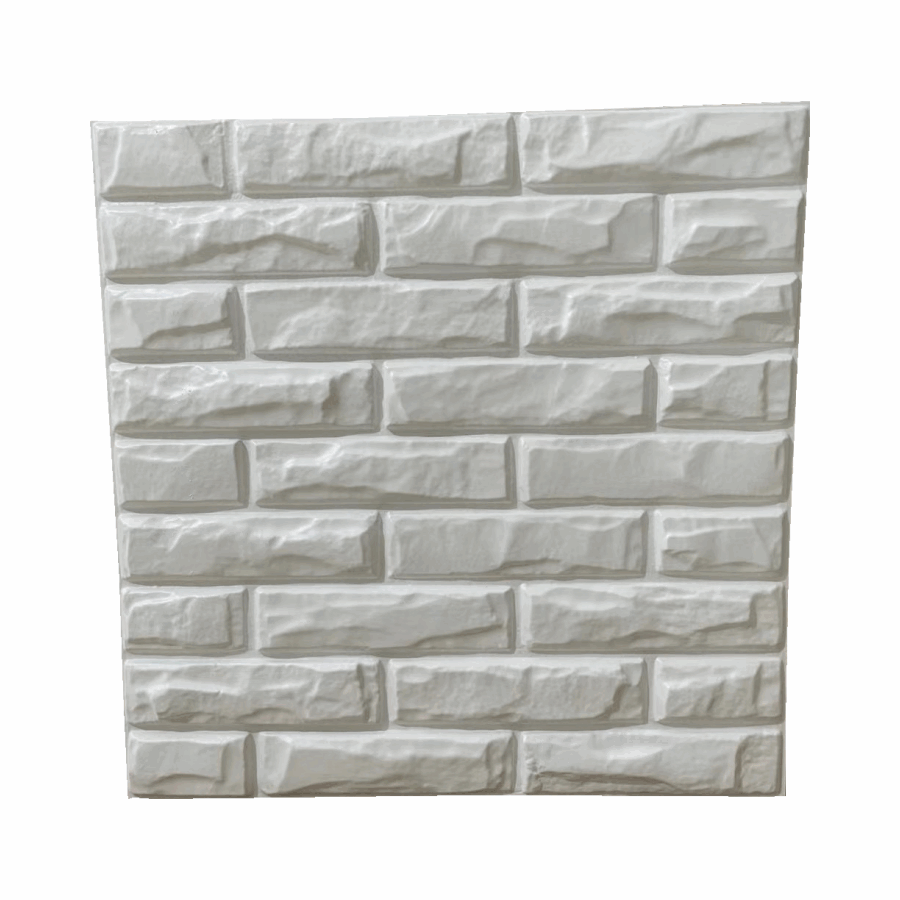
For distributors, contractors, and project buyers, supplier reliability can be just as important as product appearance. A wall decoration project involves timing, quantity, packaging, consistency, and communication. If the supplier cannot provide stable material quality or clear product details, the buyer may face delays, rework, or customer complaints.
A dependable 3D Panel supplier should help buyers understand product characteristics before purchase. This includes surface style, panel size, applicable scenes, packing details, and basic installation considerations. Clear information allows the buyer to make decisions with fewer assumptions.
Haining Xinhuang Decoration Material Co ,Ltd. can be considered by buyers looking for decorative wall material support because project purchasing usually requires both visual options and practical communication. Whether the goal is a hotel wall upgrade, a retail store renovation, a residential feature wall, or a distributor product line, choosing a supplier with a clear product focus helps reduce unnecessary risk.
The best supplier relationship is not simply about placing an order. It is about making sure the chosen 3D Panel fits the actual wall, the project style, the budget, and the expected use environment.
FAQ About 3D Panel
What is a 3D Panel used for?
A 3D Panel is used to create textured decorative wall surfaces. It is commonly applied to feature walls, TV backgrounds, hotel corridors, reception areas, retail stores, restaurants, offices, and residential interiors where a flat wall needs more depth and visual interest.
Is 3D Panel suitable for commercial decoration projects?
Yes. Many commercial spaces use 3D wall panels because they can create a stronger visual impression while keeping the wall design more manageable. They are especially useful in places where customer experience, brand atmosphere, and renovation efficiency matter.
Do 3D panels make a room look smaller?
Not necessarily. The result depends on pattern, color, lighting, and placement. A soft texture in a light or neutral color can add depth without making the space feel crowded. For small rooms, it is usually better to use panels on one feature wall instead of covering every surface.
How should buyers choose the right 3D Panel pattern?
Buyers should consider room size, lighting, furniture style, ceiling height, and the purpose of the wall. Bold geometric patterns may suit modern commercial interiors, while softer textures may work better in homes, hotels, and relaxed hospitality spaces.
Can 3D Panel help reduce renovation complexity?
In many projects, yes. Compared with some heavy or custom-built wall finishes, a 3D Panel can simplify the decorative process. However, proper measurement, wall preparation, and installation planning are still important for a clean final result.
Is 3D Panel easy to maintain?
Maintenance depends on the surface finish and use environment. In general, choosing a suitable finish and cleaning it with appropriate methods can keep the wall looking good for a long time. Buyers should avoid harsh cleaning tools that may scratch or damage the decorative surface.
Why should buyers request samples before ordering?
Samples help buyers check real color, texture, thickness, surface finish, and lighting effect. This is important because online images may look different from the actual material under project lighting. Sample confirmation can reduce mistakes before bulk purchasing.
Conclusion
A 3D Panel is more than a decorative surface. It is a practical wall solution for buyers who want stronger visual impact, more design flexibility, and a more efficient way to upgrade interior spaces. From residential feature walls to commercial reception areas, from hotel corridors to retail display backgrounds, the right panel can turn a plain wall into a purposeful design element.
The smartest choice starts with understanding the project. Buyers should look at pattern scale, color, lighting, installation conditions, maintenance needs, and supplier reliability before making a final decision. When these details are handled carefully, a 3D Panel can deliver both beauty and usability.
If you are planning a wall decoration project and need a reliable decorative material solution, Haining Xinhuang Decoration Material Co ,Ltd. can help you explore suitable 3D Panel options for your space. For product details, sample consultation, or project support, please contact us today and let our team help you choose a wall panel solution that fits your design goals.