- English
- Español
- Português
- русский
- Français
- 日本語
- Deutsch
- tiếng Việt
- Italiano
- Nederlands
- ภาษาไทย
- Polski
- 한국어
- Svenska
- magyar
- Malay
- বাংলা ভাষার
- Dansk
- Suomi
- हिन्दी
- Pilipino
- Türkçe
- Gaeilge
- العربية
- Indonesia
- Norsk
- تمل
- český
- ελληνικά
- український
- Javanese
- فارسی
- தமிழ்
- తెలుగు
- नेपाली
- Burmese
- български
- ລາວ
- Latine
- Қазақша
- Euskal
- Azərbaycan
- Slovenský jazyk
- Македонски
- Lietuvos
- Eesti Keel
- Română
- Slovenski
- मराठी
- Srpski језик

How Does The Surface Coating Of Printable PVC Lamination Film Accept Ink For Printing?
HAINING XINHUANG DECORATION MATERIAL CO.,LTD has drawn attention in the decorative materials field as discussions around Printable PVC Lamination Film continue to focus on how its surface coating interacts with ink during printing processes, especially in applications requiring stable color performance and long-term durability.
In modern printing workflows, coating is no longer just a protective layer—it directly affects how ink spreads, bonds, and cures. For PVC Lamination Film, the surface structure determines whether printed content appears sharp, consistent, and resistant to fading or distortion over time. This has become an important topic for interior decoration materials, where visual quality and durability must work together.
Understanding the Surface Layer Behavior
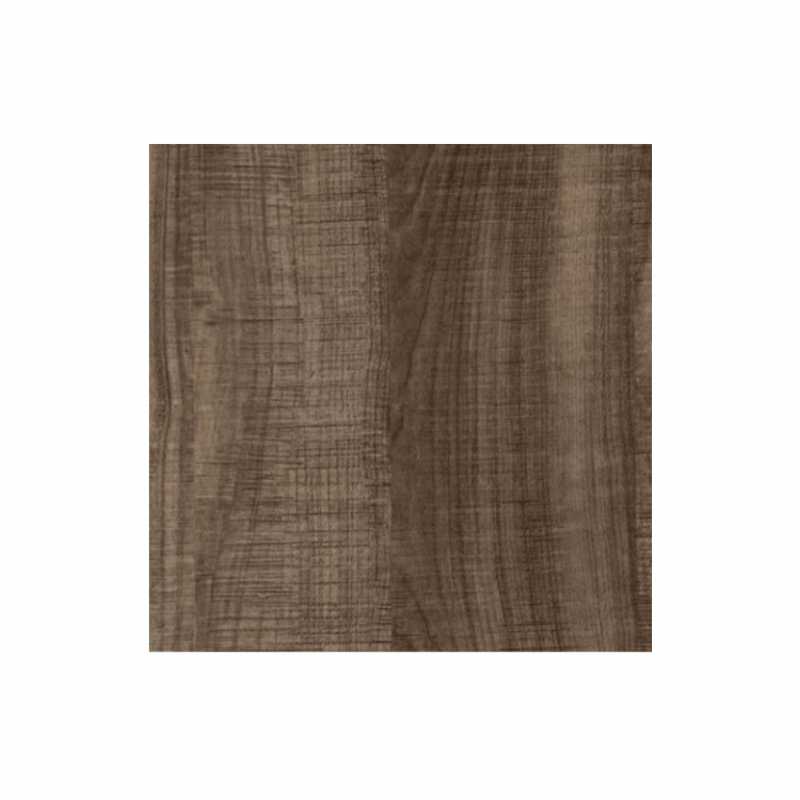
The surface coating of PVC lamination film is engineered to control ink absorption and adhesion. Unlike raw PVC surfaces, coated films introduce micro-level texture adjustments that influence how ink sits and dries.
Why Surface Energy Matters
One of the key factors is surface energy. When ink is applied, it must "wet" the surface evenly. If the surface energy is too low, ink may form droplets; if too high, it may spread uncontrollably. Printable PVC Lamination Film is typically treated to balance this interaction, ensuring controlled ink anchoring without blurring.
Microporous Structure and Ink Grip
At a microscopic level, coating layers often include fine porous structures. These act like tiny "anchors" that hold pigment particles in place. This is especially important for detailed graphic printing used in wall panels, furniture decoration, and interior signage materials.
How Ink Bonds to PVC Lamination Film Surfaces
The bonding process between ink and film is not purely chemical—it is also physical. Heat, pressure, and drying time all influence the final result.
Ink Interaction Stages
When ink contacts the coated surface, it goes through several stages:
- Initial contact and spreading
- Partial absorption into coating micro-layers
- Surface-level fixation
- Final curing and stabilization
Each stage affects clarity, color depth, and resistance to external factors such as humidity or friction.
Surface Coating Types and Their Behavior
Different coatings create different printing outcomes. The table below shows a simplified comparison:
| Coating Type | Ink Absorption | Visual Finish | Common Use Behavior |
| Gloss Coating | Low absorption | High brightness | Strong color contrast |
| Matte Coating | Medium absorption | Soft appearance | Reduced glare effect |
| Embossed Coating | Variable absorption | Textured visual feel | Decorative emphasis |
| Hybrid Coating | Balanced | Stable output | General-purpose use |
Printable PVC Lamination Film often uses hybrid or controlled matte coatings to balance readability and surface protection.
Why Printing Stability Depends on Surface Design
A common challenge in laminated printing is maintaining consistency across large surfaces. Walls, cabinets, or decorative boards require uniform color without patchiness.
Environmental Influence on Ink Behavior
Temperature and humidity can affect how ink bonds to PVC surfaces. In high humidity environments, untreated surfaces may cause slight ink lifting or dullness. Coated PVC Lamination Film helps stabilize this by reducing moisture interaction at the surface level.
Print Resolution and Surface Smoothness
Smooth coatings allow higher-resolution printing because ink droplets maintain sharper boundaries. However, overly smooth surfaces may reduce mechanical grip. This is why controlled micro-texturing is widely used to balance clarity and adhesion.
Practical Applications in Interior Decoration Materials
PVC Lamination Film is widely used in environments where both aesthetics and durability are required. Its printing performance plays a direct role in final visual outcomes.
Common Application Areas
- Wall panels in commercial interiors
- Decorative ceiling surfaces
- Cabinet and furniture surface design layers
- Office partition decoration
- Retail interior branding surfaces
In these applications, printed patterns must remain stable even under frequent cleaning or long-term exposure to indoor lighting.
Performance Comparison in Real Use
| Application Scenario | Key Requirement | Film Behavior Outcome |
| High-traffic office | Scratch resistance | Stable printed layer |
| Residential walls | Color consistency | Long-term visual stability |
| Retail display | Bright visuals | Enhanced ink contrast |
| Hospitality spaces | Easy maintenance | Cleanable surface finish |
Production Approach and Surface Consistency Control
Modern production systems use controlled extrusion and lamination processes to ensure uniform coating distribution. Advanced equipment from German and Italian engineering lines is commonly applied to maintain stable film thickness and surface consistency.
Layer Structure Design
Printable PVC Lamination Film typically consists of multiple functional layers:
- Base PVC layer for structural support
- Adhesive interface layer for bonding
- Surface coating layer for ink reception
- Protective top layer for wear resistance
Each layer contributes to how ink behaves during printing and how the final surface performs in real environments.
Challenges in Ink Reception and Surface Optimization
Even with advanced coating techniques, achieving perfect ink compatibility across all conditions remains complex.
Common Technical Challenges
- Uneven ink distribution on large surfaces
- Color shift under different lighting angles
- Reduced adhesion on highly textured surfaces
- Ink drying variation under temperature changes
To address these issues, continuous adjustments in coating formulation and surface treatment are applied, focusing on improving consistency rather than increasing complexity.
Conclusion
The way ink interacts with coated PVC surfaces is determined by a combination of surface energy control, micro-texture design, and layer stability. In Printable PVC Lamination Film, these factors work together to ensure that printed visuals remain clear, durable, and adaptable to different indoor environments. As coating technologies continue to evolve, the relationship between surface structure and ink behavior remains central to the performance of decorative PVC materials, including those developed by HAINING XINHUANG DECORATION MATERIAL CO.,LTD through its integrated production systems.